July brought several updates across paid advertising, SEO and AI search.
Meta introduced an additional fee for ads shown to UK users, Google began bringing Local Services Ads into the main Google Ads platform, and Search Console added a new way to measure how social and video content appears in search results.
There was also further debate about how AI is changing search behaviour and website traffic. For businesses, the important question isn’t whether traditional search is disappearing. It is how SEO, content, social and paid activity work together to build visibility across a growing number of places.
Here are the updates we think businesses should be aware of.
Meta introduces a 2% fee for UK advertising
From 1st July, Meta began charging an additional 2% fee on ads delivered to people in the UK.
The fee is based on where the audience is located, rather than where the advertiser is based. It is added on top of advertising spend after delivery and appears on the invoice rather than within the campaign budget shown in Ads Manager.
Different rates apply in a small number of other European markets, including France, Italy, Spain, Austria and Türkiye.
Why it matters
This isn’t a change to campaign performance, but it does increase the total amount businesses will pay.
For example, £1,000 of advertising delivered to UK users will now result in an additional £20 fee, before VAT. That may be relatively small at an individual campaign level, but it still needs to be included when forecasting advertising costs and assessing return on investment.
Advertisers should make sure their reporting distinguishes between media spend and the final invoiced cost, particularly where campaigns target more than one country.
Google is bringing Local Services Ads into Google Ads
Google has confirmed that Local Services Ads will begin moving into the main Google Ads platform as a new type of Performance Max campaign.
Local Services Ads currently allow eligible businesses, including trades and home service providers, to generate leads through adverts shown prominently in local search results.
The first phase begins in August 2026 for selected US advertisers, with further migrations expected throughout 2027. There is currently no confirmed migration date for UK accounts.
The change will bring Local Services Ads into the wider Google Ads interface and introduce changes to campaign management, budgets, bidding and reporting.
Why it matters
There is nothing UK advertisers need to change immediately, but businesses using Local Services Ads should be aware that the platform and some of its controls are likely to change in future.
Before any eventual migration, we would recommend retaining copies of historical performance data and reviewing how budgets, lead targets and reporting will carry across.
As Search Engine Journal explains in its overview of the transition, it is also another example of Google moving more campaign types towards automated systems.
That makes accurate conversion tracking, lead-quality feedback and clear commercial objectives increasingly important. Automation can help campaigns identify opportunities, but it still needs reliable information about which enquiries are genuinely valuable to the business.
Search Console can now report on social and video content
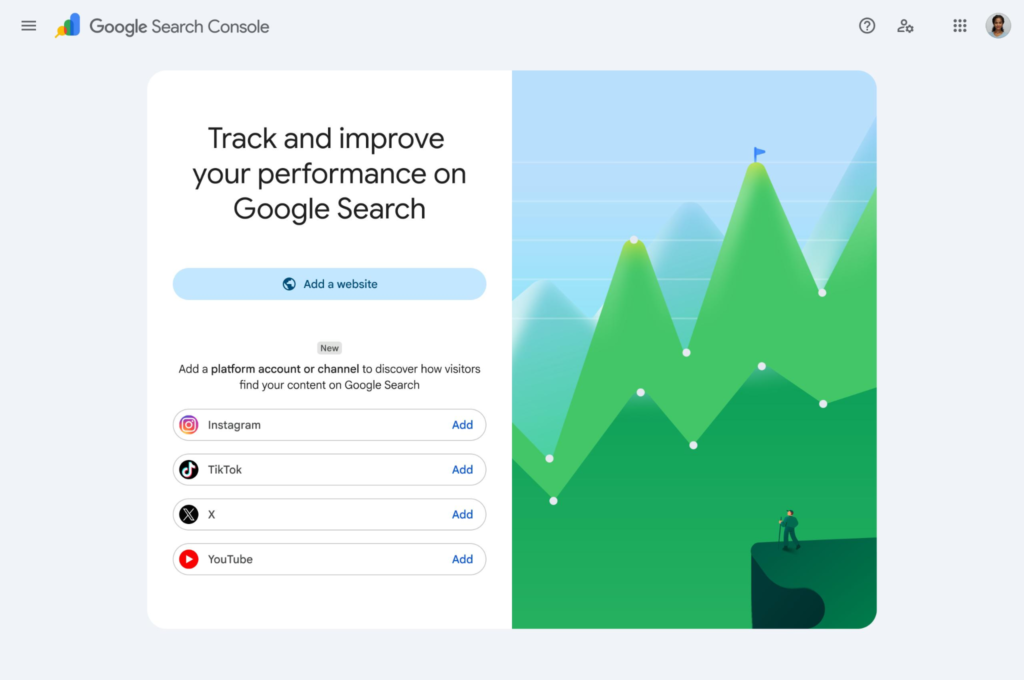
Google Search Console has introduced “platform properties”, allowing businesses and creators to see how content from Instagram, TikTok, X and YouTube performs in Google Search and Discover.
Once an account has been verified, Search Console can report on impressions, clicks and the search terms through which people discovered its content.
The feature is being made available gradually, so it may not appear in every account immediately.
Why it matters
Brand visibility is no longer limited to where a website ranks.
When someone researches a business, product or service, they may encounter its website, social profiles, videos, reviews and third-party mentions. They may also use an AI search tool to gather information or compare their options before visiting a website.
This doesn’t mean social engagement directly improves website rankings, or that every social post should be created for SEO. It does mean that businesses need a more joined-up understanding of where and how their brand is being discovered.
The new Search Console reporting can help identify which topics and content formats are building visibility beyond an individual social platform. It may also highlight subjects that should be explored more thoroughly through website content, video or other channels.
SEO is now a standard part of this broader brand visibility strategy. Its role is not only to secure traditional rankings, but to ensure that a business has a technically accessible, authoritative and useful source of information that search engines and customers can understand.
That work should be supported by consistent content and messaging across the other places where the brand appears. SEO, social, content and digital PR shouldn’t be treated as interchangeable, but they should be working towards a shared picture of what the business wants to be known for.
AI search is changing how visibility should be measured
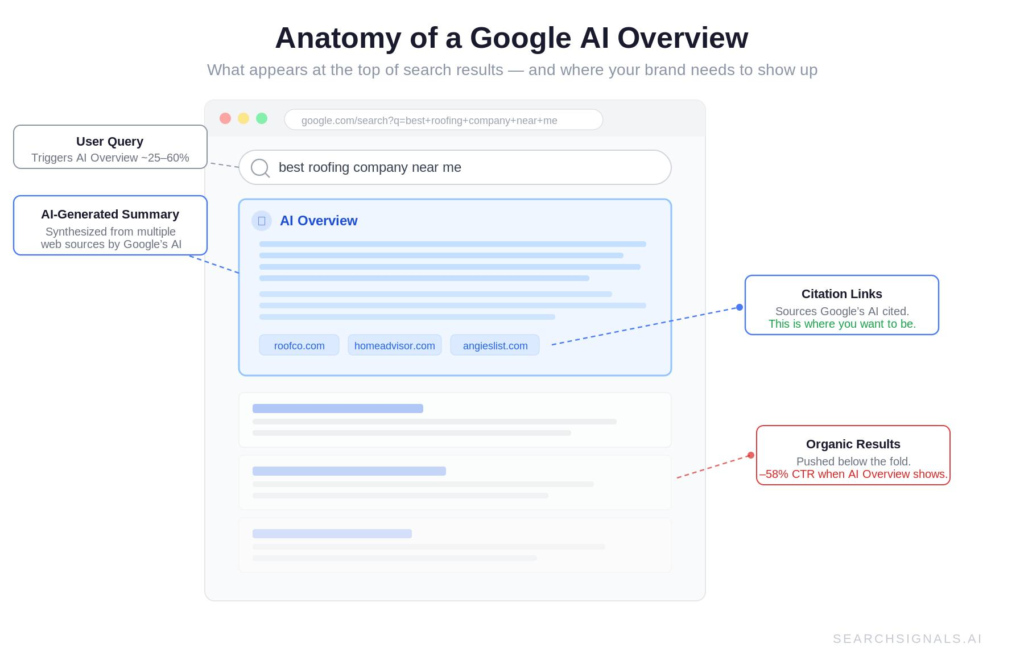
The effect of AI-generated search results on website traffic continues to be debated.
Google said in July that its AI features are now sending billions of clicks to websites each week. However, it hasn’t provided enough detail for individual businesses or publishers to understand how those clicks are distributed.
Independent research has also found that searches displaying an AI Overview can result in fewer clicks on traditional organic listings. One study reported that searches containing AI Overviews produced a substantially lower click-through rate, although the effect is unlikely to be the same for every website, industry or type of search.
Why it matters
There isn’t one industry-wide figure that can tell a business whether AI search is helping or affecting its performance.
A large number of clicks across Google as a whole can exist alongside declining traffic for a particular website or set of searches. Equally, reduced click-through rates on informational searches don’t necessarily mean that organic search has stopped generating valuable enquiries or sales.
The priority should be to understand what is happening within your own customer journey:
- Is your brand appearing when people research relevant services or products?
- Which searches continue to generate qualified website visits?
- Is organic visibility contributing to enquiries, sales and revenue?
- Are your website, social profiles and third-party mentions presenting consistent information?
- Is your content answering the questions customers ask before making a decision?
AI search makes SEO part of a wider visibility strategy, but it doesn’t remove the need for SEO. Websites remain an important source of information about a business, while strong technical foundations, useful content, authority and clear brand signals all support visibility across traditional search and emerging AI experiences.
The way performance is measured therefore needs to develop. Rankings and website traffic remain useful, but they should be considered alongside conversions, lead quality, revenue, brand visibility and the different channels customers use during their research.
Also worth knowing
OpenAI continues developing advertising in ChatGPT
OpenAI has published more detailed policies covering which advertisements and conversational contexts are eligible for its advertising pilot.
Ads are restricted around sensitive conversations, and a number of regulated or sensitive industries remain prohibited or subject to additional approval.
OpenAI’s self-serve Ads Manager is being opened to businesses gradually, so ChatGPT advertising should still be treated as an early-stage opportunity rather than an established alternative to Google or Meta.
For most businesses, it is something to monitor and assess carefully rather than immediately diverting substantial budget towards.
Google adds more transparency to AI-generated advertising
Google has introduced additional information to help users understand when generative AI has been used to create or significantly alter an advert.
A new “How this ad was made” panel will provide more detail about the role AI played in creating the advertising content. Google will automatically label assets created using its own AI tools, while advertisers can provide information about content produced using other tools.
As platforms make it easier to generate advertising assets at scale, businesses will still need clear brand guidelines and quality controls to make sure the final output is accurate and appropriate.
Key marketing dates for August 2026
A few dates to consider when planning campaigns and content next month:
- 1st August: Yorkshire Day
- 1st–7th August: World Breastfeeding Week
- 10th–16th August: National Allotments Week
- 13th August: A-level Results Day
- 19th August: World Photography Day
- 26th August: National Dog Day
- 27th–30th August: Reading and Leeds Festival
- 30th–31st August: Notting Hill Carnival
- 31st August: Summer Bank Holiday in England, Wales and Northern Ireland
Not every awareness day will be relevant to every business. It is usually better to select a smaller number with a genuine connection to your audience, products or expertise than to create content simply because a date appears in the calendar.
For many B2B businesses, August can also bring slower decision-making due to annual leave. That makes it a useful time to strengthen nurture activity, prepare autumn campaigns and develop content that will continue delivering value beyond the day it is published.
Final thoughts
The common theme across July’s updates is that digital visibility is becoming broader and more connected.
Customers can discover and research businesses through traditional search results, AI-generated answers, social content, videos, reviews and paid advertising. That doesn’t make established channels less important, but it does mean they need to work together more effectively.
SEO is a standard part of that wider strategy. A technically strong website, useful content and clear evidence of authority give search engines, AI platforms and potential customers a reliable source of information about a business.
The priority isn’t to react to every new platform feature or change direction based on one industry-wide statistic. It is to understand where your audience is looking, make sure your brand is visible with the right information, and measure whether that visibility is contributing to enquiries, sales and growth.
Stay up to date with Wildcat Digital
Keeping up with changes in digital marketing is one thing. Understanding which ones should influence your SEO or PPC strategy is another.
If you would like a clearer view of how your current activity is performing and where the strongest opportunities lie, you can book a free 30-minute introduction call with our growth team.
We’ll look at what is most relevant to your business, where there may be gaps in your current visibility, and what is worth prioritising next.