
June has been another busy month in digital marketing, with AI continuing to shape how people search, how advertisers build campaigns and how businesses measure online visibility.
Google has introduced new reporting for AI Search, continued refining its AI-powered search experience and rolled out another spam update, while advertisers have seen even more AI tools arrive across major platforms.
Here’s everything you need to know from June.
Google provides more visibility into AI Search performance in Search Console
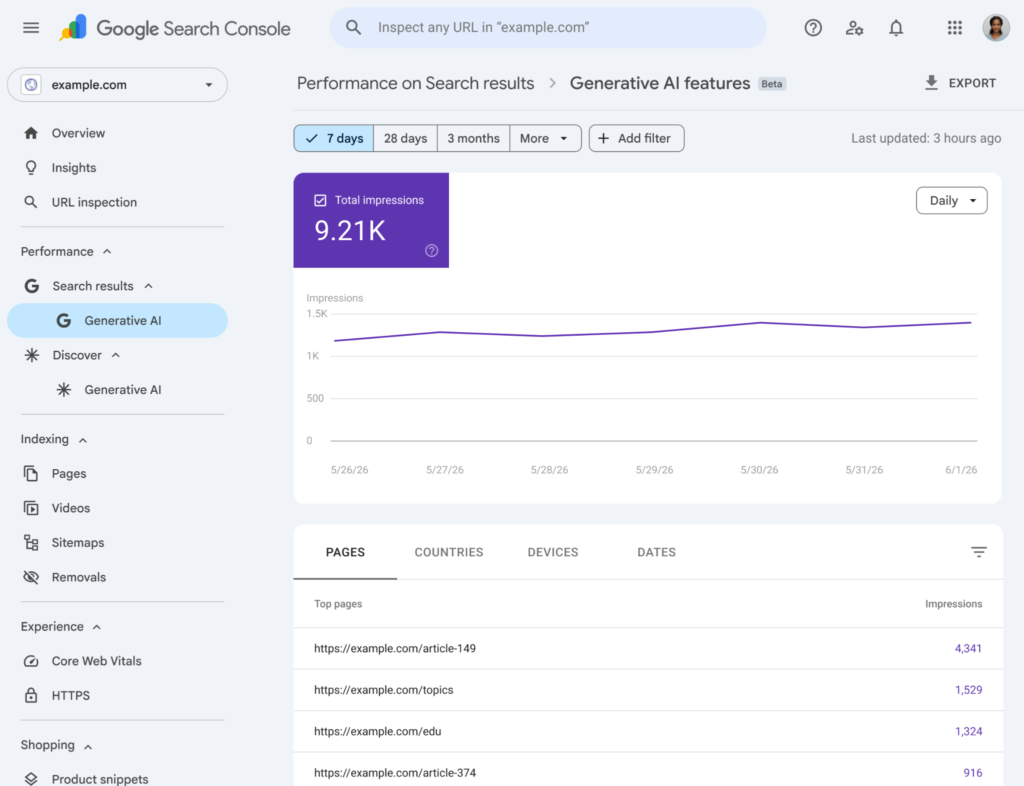
One of the biggest announcements this month came from Google Search Central, which introduced new reporting for AI-powered search experiences within Google Search Console.
For the first time, website owners can begin measuring how their content performs within Google’s AI-generated search results, including impressions generated through AI search features.
Although the reports are still being rolled out gradually, they represent an important shift in how SEO performance will be measured moving forward. Historically, marketers have focused almost entirely on rankings, clicks and organic traffic. As AI-powered search becomes more established, we’ll increasingly see businesses tracking AI visibility alongside these traditional SEO metrics to build a more complete picture of search performance.
It’s something we’ve already begun incorporating into our reporting and strategy discussions with clients, helping them understand not just how they rank in search results, but how visible they are within AI-powered search experiences.
Why it matters
SEO success is no longer just about ranking in the top three positions. Businesses that consistently demonstrate expertise and topical authority are more likely to be surfaced within AI-generated answers, making visibility less about individual keywords and more about becoming a trusted source.
AI continues to reshape search marketing
June has reinforced what many marketers have suspected for some time in that AI search is no longer an emerging trend—it’s becoming the new normal.
Google continues to expand its AI-powered search experiences, while marketers are increasingly adapting their SEO strategies to improve visibility within AI-generated answers alongside traditional organic rankings.
This doesn’t mean traditional SEO is disappearing. Instead, it’s evolving.
Structured data, clear topical authority, well-organised content and demonstrating real expertise are becoming increasingly important as AI systems look for trustworthy sources to reference.
If you’re unfamiliar with how AI search differs from traditional search engines, we’ve explained the changes in more detail in our guide to how Large Language Models are changing SEO.
Why it matters
Rather than focusing purely on keywords, businesses should think about becoming the most authoritative source on their subject. The brands that consistently publish genuinely useful, experience-led content are likely to benefit most from the continued growth of AI search.
Learn more about our AI SEO (GEO) services and how we’re helping businesses improve their visibility across both traditional search and AI-powered search experiences.

The May Core Update officially finished rolling out
While Google’s May 2026 Core Update began last month, it officially completed its rollout at the beginning of June.
As with most core updates, Google hasn’t shared exactly what changed. However, many website owners reported significant fluctuations in rankings throughout the rollout.
Google continues to emphasise that businesses shouldn’t chase algorithm updates with quick fixes. Instead, websites should focus on creating useful content that demonstrates expertise, experience and trustworthiness.
Why it matters
If your rankings changed during May and June, avoid making knee-jerk changes. Instead, review whether your content genuinely satisfies search intent, offers original value and demonstrates real expertise.
Google rolls out its June 2026 Spam Update
Towards the end of June, Google confirmed the rollout of its latest spam update.
Unlike broad core updates, spam updates specifically target websites using manipulative tactics to influence search rankings. This includes techniques such as automatically generated low-quality content, link spam and other practices that violate Google’s spam policies.
Search Engine Roundtable reported widespread volatility during the rollout, particularly among websites relying on aggressive SEO tactics.
Why it matters
If you’re investing in long-term SEO and creating genuinely helpful, original content, spam updates are generally a positive thing. They help reduce the visibility of websites relying on manipulative tactics, making it easier for businesses following Google’s guidance to compete on the quality of their content rather than shortcuts.
AI-powered advertising continues to evolve
AI has continued to shape the advertising landscape this month, with both Google and Meta announcing new features designed to make campaign creation and optimisation more efficient.
Following the announcements at Google Marketing Live, Google has continued rolling out AI-powered tools to help advertisers generate creative assets, uncover audience insights and improve campaign performance. Meta also unveiled a range of new AI features for advertisers, including tools to support creative generation, campaign optimisation and creator partnerships.
While these updates are impressive, they don’t change the fundamentals of successful advertising. AI can help marketers work more efficiently by speeding up repetitive tasks and making it easier to test different creative approaches, but strategy, audience understanding and commercial thinking still play a crucial role.
Why it matters
As AI capabilities continue to improve, businesses have an opportunity to spend less time on manual campaign management and more time focusing on the things that make the biggest difference: understanding their customers, creating compelling messaging and making informed strategic decisions. AI is becoming another tool in the marketer’s toolkit, not a replacement for strategic thinking, experience or expertise.

UK publishers gain greater control over AI Search
In one of the month’s most significant industry developments, the UK’s Competition and Markets Authority announced new requirements that will give publishers greater control over how their content is used within Google’s AI-powered search experiences.
The changes are designed to improve transparency around AI-generated search results and provide publishers with more control over whether their content is used within AI summaries.
This reflects growing concerns across the publishing industry about declining website traffic as users increasingly receive answers directly within search results.
Why it matters
This is another reminder that search is changing rapidly. Businesses should focus on creating original, valuable content that builds trust and authority, while also ensuring they’re not overly reliant on traffic from a single source.
Key Marketing Dates for July 2026
A few key dates worth keeping in mind for campaigns and content planning this month:
- 1st July: Canada Day
- 4th July: US Independence Day
- 7th July: World Chocolate Day
- 17th July: World Emoji Day
- 18th July: Nelson Mandela International Day
- 24th July: International Self-Care Day
- 30th July: International Friendship Day
July is typically a quieter month for awareness days, making it a great opportunity for businesses to focus on seasonal content. Summer holidays are in full swing, schools begin breaking up towards the end of the month, and many consumers shift their attention towards travel, outdoor activities and family time.
For B2B businesses, it’s also worth remembering that decision-makers may be taking annual leave over the summer. This can lead to longer sales cycles, so July is often a good month to invest in thought leadership, evergreen content and lead nurturing rather than relying solely on immediate conversions.
Final thoughts
If June has shown us anything, it’s that digital marketing is continuing to evolve at an incredible pace.
AI isn’t replacing SEO or PPC, but it is changing how people discover businesses online. Rather than chasing shortcuts, the businesses seeing the best results are the ones investing in content that answers users’ questions, building authority within their industry and using AI to enhance, not replace, their marketing.
For businesses, the fundamentals remain the same – create high-quality content, build trust with your audience and focus on solving real customer problems.
Those principles have always been important—and as AI becomes more deeply integrated into search, they’re becoming even more valuable.
Stay Up to Date With Wildcat Digital
Keeping up with changes in digital marketing is one thing. Understanding what they actually mean for your website, visibility and lead generation is another.
Search, paid media and AI-driven experiences are all evolving quickly, and the businesses that adapt early are likely to be in a much stronger position over the next couple of years.
If any of the updates this month have raised questions, or you’d like a clearer idea of how your current SEO or PPC strategy is performing, feel free to arrange a free consultation with Rich, our Head of Growth. We’ll talk through what’s most relevant for your business, where the biggest opportunities are and what’s worth prioritising next.