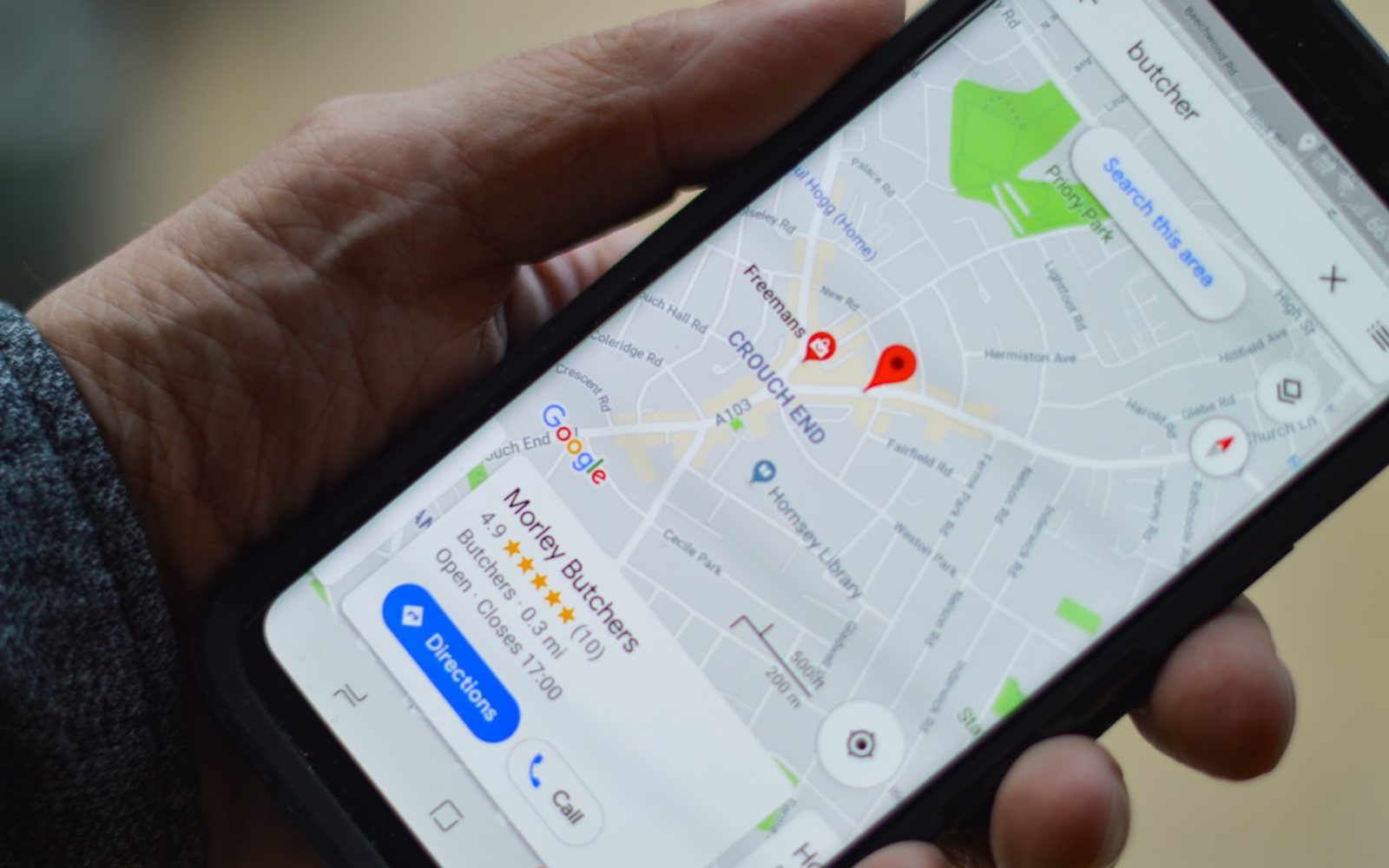
As a business owner, one of your goals is probably to rank better in your local area; therefore, scoring local customers in the area(s) that you service.. But how can you guarantee that your business shows up on relevant searches?
To rank better in your local area, you will need to pay special attention to your SEO basics: Google Business Profile, structured data annotations, local citations, and backlink profile.
In this blog, we explore the essentials of local Search Engine Optimisation (SEO) to help you rank better in your area. But first, let’s get a clearer understanding of what local SEO is, and who it is relevant for.
What is Local SEO Marketing?
Local SEO is an optimisation strategy that focuses on improving a business’s visibility in local search results. Local SEO is particularly relevant to brick-and-mortar businesses and services that operate in a specific area.
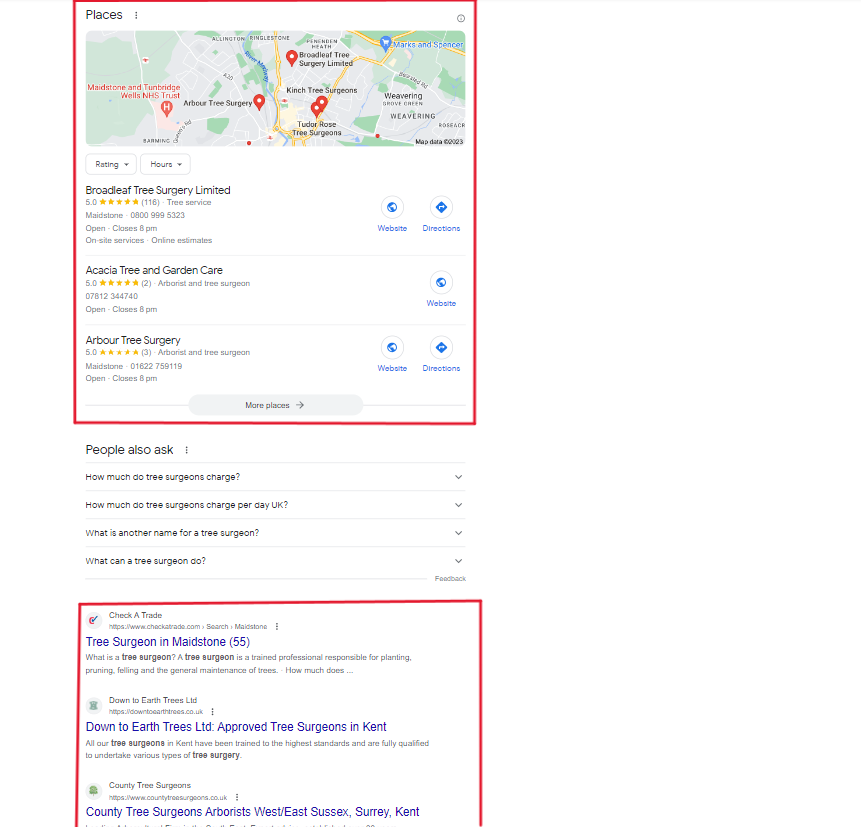
On most search engines (Google, Bing, etc.), results for search queries related to businesses, products, and services will often be tailored to the user’s location. For local search results, Google often shows three map results. These sit above the 10 organic links that most regular searches bring up. This is known as the Local Map Pack or Local Pack. If you own a brick-and-mortar business, part of the aim of your local SEO strategy will likely be to rank among the top three Map Pack results.
How To Improve Local SEO Rankings
To improve your local SEO rankings, it is advised to start with or at least have some basic SEO on your site, as the two complement each other. However, below are some local SEO best practises.
Google Business Profile Optimisation
As we have explored above, a unique feature of local results is Local Map Packs. Appearing in these top results will make a big difference to your local visibility.
These three top results are links to relevant Google Business Profiles, so you will need to create and validate a Google Business Profile as a first step towards obtaining these results. Once your profile has been validated, we can move on to optimising it for success! Below are some of the key areas to remember when completing and optimising your profile:
- Choose the right business category
Business categories are predefined. Make sure to choose the category that most closely matches what you do. - Add a detailed description
Use the available 750 characters to provide users with the information they may want about your business. Make sure to include your main target keyword, your main services, and any unique selling points that distinguish you from your competitors. - Keep your NAPW (name, address, phone, website) data consistent
Make sure that you provide your full business name and address, an accurate phone number and a link to your website. These details should be consistent across the web, so make sure they match the information on your site, schema, and any directories you are listed in. - Make use of all the features
Go through every section of your Google Business Profile and complete them with relevant data. If you offer services or products, make sure to fill out the relevant sections. Try using your target keywords when listing your services. - Add photos of the inside, and outside of your location, your products, events, and any other relevant images.
- Add your business hours and ensure that they are kept up to date. That includes updating your profile ahead of public holidays and any special events.
- Add updates and posts
Make use of the updates and posts features to keep customers engaged and up to date with relevant changes, deals, or events. - Respond to questions and messages promptly
You can enable messaging directly through your business profile. Make sure that you answer questions and requests promptly. - Encourage reviews
Send your existing customers a direct link to encourage them to leave reviews on your profile. Building your reviews catalogue will provide prospective clients with confidence in your business and put you above your competitors. - Keep an eye out for duplicate or incorrect listings
Ensure you don’t have duplicated or outdated business profiles, as this can confuse Google by sending incorrect brand signals. Delete any old listings and keep the one you know you will update regularly.
You should also consider creating and optimising your Bing Places for Business Profile to ensure that you have better control over your online business presence. The good news is that you won’t have to do the work twice. You can sync Bing Places of Business with your Google Business Profile and import all the relevant data.
With a strong GBP, you could see an increase in calls and leads that have come straight from the map pack, as you’ll be showing in the local area, especially when people search while near your physical location.
What if I Have More Than One Location?
If you have more than one brick-and-mortar location you should create a business profile for each of these.
Make sure that all the profile information, including the description, photos, and opening hours are tailored to that location. Do not include your location in the Business Profile Title, your business name should be consistent across the board.
Take a look at our blog, “Why Optimise My Google Business Profile?” for more information.
Reviews and Business Reputation
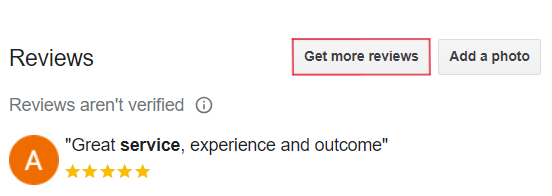
When it comes to improving your business reputation and, in turn, gaining reviews, repeat customers, and customer referrals are one of the main driving factors. If you know you already have a strong reputation and customer base who trust you and your services, you should aim to (politely) ask them to consider leaving a review of your business on your Google Business Profile. You can even send them a link or QR to the review form in an email or via text to save time.
Reviews play a role in local rankings, but more importantly, they influence whether someone chooses your business as they signal to customers that you are trustworthy. This is especially important for local searches. When you gain positive reviews that show up on your GBP, this increases your experience, expertise, authoritativeness, and trustworthiness (E-E-A-T), and customers are more likely to chose you’re business over others.
Ensure that you are responding to all reviews, too, not just the positive ones! This shows Google that you engage with your customers, and demonstrates to potential customers that you value their opinion and experience with your business. The more customers feel that your business cares about its clients, the more likely they are to choose you over your competitors.
On-Page Local Signals
When optimising your website, there are several on-page local signals you can implement to improve the local rankings for your business.
Location Landing Pages
If you serve more than one area or have several physical locations, it is a good idea to create separate location pages for each area. Make sure that the content on each of these pages is unique and relevant to the location. That means including details like the unique store address for the area, opening hours, unique store or service information, details about how to reach the location, etc.
Learn more about targeting multiple locations in our dedicated blog, How To Target Multiple Cities Without Hurting Your SEO.
Use Local Keywords
When creating your location pages, it’s essential to include location-specific keywords, such as the service area, in the content, headings, and metadata of the page. For example, if you are a local business in Sheffield and want to target that area, you could create a page with the title ‘[your services] in Sheffield’.
Ensuring you target the right and relevant location keywords for your business will increase the chances of appearing in location-specific searches such as ‘[your services] near me’.
Consistent NAP Data
Make sure to use consistent NAP data (name, address, phone number) across your website and in easy-to-access places such as the footer and on the contact page. This reinforces your relevance to the location you are based in.
Embed Google Maps
If you have a business with a physical location, it’s a good idea to embed Google Maps on your contact page or about page. This will reinforce the location of your business and increase credibility, as it acts as a strong signal to search engines when they’re trying to confirm the location of your business. It also ties in neatly with your NAP information to create consistency.
Local Links and Citations
Inbound links from relevant sources help build your authority and therefore improve your organic performance over time. While backlink strategies generally focus on gaining links from websites with high domain authority (DA) scores, local mentions and links to your website are more relevant for local businesses.
Linking opportunities can be found in several places, and gaining them is all about finding the right ideas and opportunities. You may explore opportunities like:
- Mentions in local media outlets
- Websites listing local events, eateries, small businesses, resources and services
- Tourism websites
- Local business groups
- Local forums
- Directorires
- Opportunities for involvement in the community, like charities, sponsorships, awards, etc.
This is, of course, not an exhaustive list, and link-building opportunities can come from very different sources depending on your industry. Working with an SEO specialist can make this task much easier, as they will have access to the tools and expertise needed to find the right opportunities and ideas.
The more your business’s name is out there and cited by reputable sources, the more online exposure you will gain, and the more Google will view your website as an authoritative source. In turn, this heightened online visibility can lead more people to your website and ultimately result in more leads.

Practical Actions A Local Business Can Take To Improve Local Rankings
If you’re looking for a place to start improving your local rankings, you don’t need to begin with the big tasks. There are actually some small improvements you can make that could drive positive results.
- Actively seek our reviews: Once a customer has used your services, send them a follow-up email/text message with a link or a QR code that leads straight to your review pages. Make sure the review form is quick and easy to fill out, too. Take a look at our blog, “Reviews: The Missing SEO Ranking Factor”, for more ideas on how to do this.
- Rewrite your GBP description: Make sure to include your main service, the area that you serve, and any clear differences between your business and other local ones, AKA your competition.
- Add all your services to GBP: When adding your services, ensure you list them using the exact service language customers will use when searching for what you offer. For example, rather than listing your service as “gardener”, you might want to separate this into things like “gardener for commercial properties”, etc. Terms like these are keywords, and they’re how your customers search for your services.
- Improve or add top services pages with clear locations: Your services pages are probably where you gain the most enquiries. They are the pages you want people to land on so they know what you offer. Ensure that the headings of the page are clear and mention the location you service so that you can target that location.
Common Misconceptions About Local Rankings
Because local SEO can be such a strong factor in improving the local visibility of your website, there are a few misconceptions.
My Website Shows Up On Google, So People Must Be Able To Find Me
Although this can be true, you also need to take into account where you are when you search for your own business and what profile you’re logged into. For example, if you search while you’re sitting in your store, you’ll more than likely appear near the top, if not in the number one spot, as Google uses “proximity” as a ranking factor. So, you might see your business, but someone who is on the other side of town may not.
You also need to consider if you’re logged into your Google account that’s linked to your business, and if you have searched for your business before. These two things will affect the position your website shows – but only to your eyes. To truly see what rank your website is, you should search on a brand new browser or incognito and with a different IP address from your business. However, even then, the results can be tailored to you, and you could receive a false reading.
All Backlinks and Citations Must Come From Local Websites
Backlinks from local websites are especially useful when it comes to improving your local rankings. However, as long as the backlinks you are receiving are of high quality from reputable sources, you can gain links from websites that aren’t in your area, and this will still improve your local ranking. When it comes to SERPS, especially Google, authority and relevance outweigh the geographical location of the backlinks.
Negative Reviews Will Damage My Rankings
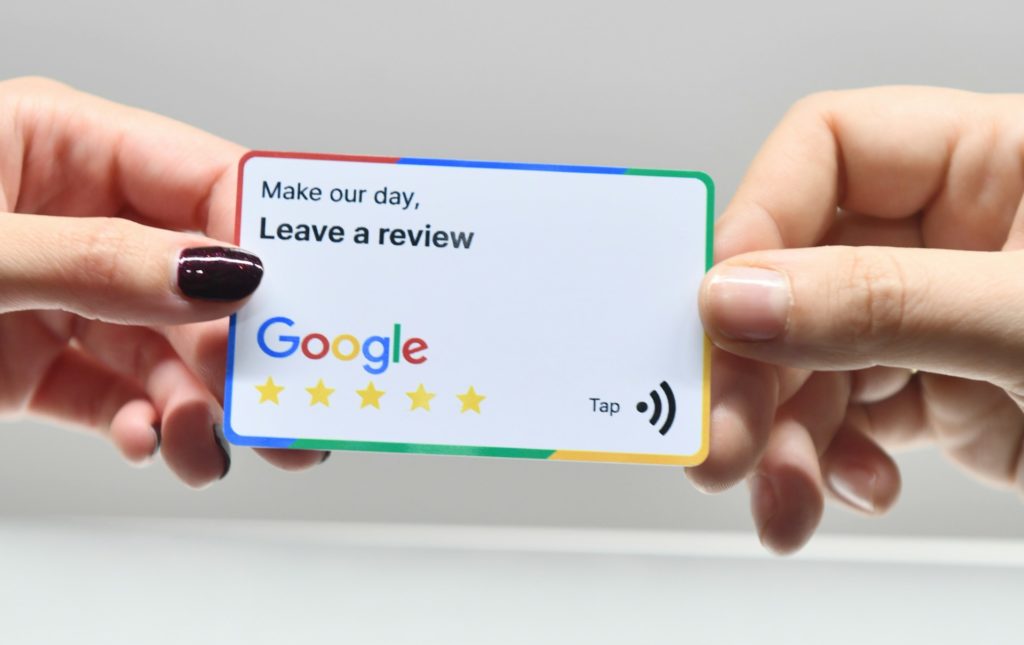
Contrary to popular belief, a few negative reviews alone won’t harm your ranking. However, there are a few things to consider. If all your reviews are negative, then yes, this can harm your rankings and business reputation. But if you only get a few negatives slipping through the cracks, this can actually be useful. When people are doing their research on businesses, they tend to look at reviews. A business with hundreds, if not thousands, of positive reviews can look great from a glance, but can also look “unrealistic.” If your business has a healthy mix of positive and negative reviews, this can make your business seem more “authentic” and people may be more inclined to trust your services.
On the flip side of this, you need to ensure that you are responding to all reviews, including the negative ones. Respond in a friendly yet professional manner to prove that you care about the customer’s experience and that you would like to change their opinion. Responding to reviews can build trust and engagement, which can ultimately boost your local presence.
Local SEO Is Only For Small Businesses
Local SEO is essential for any size of business with a physical location or an area they provide services to. If you want to show up in the “near me” searches, you’re going to need a local presence. The best way to do this? Local SEO.
Ready To Rank Better In Your Local Area?
Local Search Engine Optimisation is essential to the online presence of any local business. By following the advice above, you will be taking the first steps towards best practices and enhancing your chances of ranking locally.
For even more essential information that will help you punch above your weight online, take a look at our blog, “How To Get Found By Customers In Your Area”.
Or, if you would prefer to leave the digital stuff to the digital experts, get in touch today to find out more about our local SEO services. Wildcat Digital is an award-winning agency that helps businesses of all sizes improve their online performance.