As we enter into 2026 and reflect back on the year as business owners and digital marketers, we can’t help but notice the vastly changing landscape of digital marketing and SEO.
With the advent of LLMs, ChatGPT, Google’s AI Overviews, Gemini and more, our digital assets and marketing campaigns seem to be more nebulous than ever. Of course, we have seen this before with Google’s RankBrain Update in 2015, or the BERT Update in 2019, or the solid integration of EEAT measurements in 2018.
We, as SEOs, digital marketers and business owners, have weathered a shake-up in SERP appearance over the years; however, with LLMs generating their responses from the vast amounts of human-written content online, and on a query-by-query basis, where does this leave traditional SEO?
More to the point, how do we pivot our campaigns and understanding to get results out of these models, offering a return for our businesses or clients?
Large Language Models such as ChatGPT and Google’s AIO have changed SEO by taking preexisting information online and repurposing it in generated text. This results in a reduction of clicks and views on our content, often at the cost of brand awareness. As these responses are generative, it has become increasingly difficult to get our content to appear in search results and report on these results as milestones in our campaigns.
All is not lost, however, as here at Wildcat Digital, we are right on the cutting edge of SEO and LLM citation attainment in 2026, helping you market your brand, product and services with LLMs, rather than against them.
So, let’s get started and find out – what are LLMs, anyway?
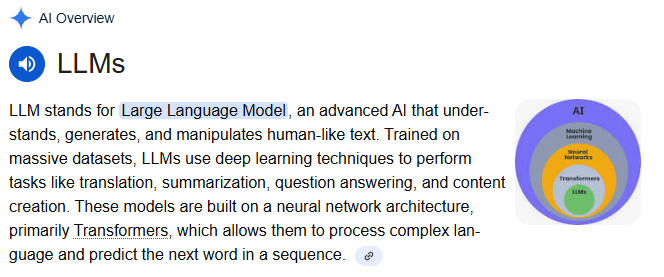
LLMs or Large Language Models are tools such as ChatGPT or Gemini that generate conversational text based on an input. These services can answer anything, from ‘what is a snake?’ to ‘how many planets are visible in the southern hemisphere in 3 days’ time?’.
LLMs are built with billions of data sets, built up from an index of written data found online, allowing them to ‘learn’ answers for these queries, or find tools to help answer these queries in a conversational way.
As versions advance, the models have been given the ability to search online for answers from brand-new data (known as Retrieval-Augmented Generation), allowing for advanced, up-to-date data retrieval.
As these models have become widely used, they have started to replace (or integrate on top of) search engines when helping users navigate our everyday lives.
In short, rather than Googling ‘the best restaurants in Manchester seafood’, the search shifted to speaking with ChatGPT in a less defined way. A query might become ‘hey ChatGPT, what are the best restaurants in Manchester that serve seafood and have two-for-one cocktails tonight?’.
This movement away from defined and predictable inputs by users, to a more conversational, generative approach, is era-defining for the user, but it leaves digital marketers less able to ensure that their campaigns (here being a campaign for a seafood restaurant in Manchester) with a tangible target and metric for success.
With LLMs replacing Google Search for many, how do we as SEOs naturally integrate our brands in front of LLMs to help them suggest our campaigns to users?
It has been reported that ‘two-thirds of consumers think AI will replace search in the next five years’.
Let’s assess how that might indicate how SEO is changing in the future.
The traditional model of SERPs was 10 blue links on a page, ranked by Google or other search engines to show users a selection of information, brands or products related to that search.
When a user would read our information, enquire about our service or purchase our products, we could see that our marketing efforts had paid off.
For instance, if we go back to my seafood restaurant example, having my restaurant show up on Google Maps and at the top of Google SERPs would very likely make us the most popular seafood restaurant in town. We would target this outcome by using various SEO methods, such as on-page optimisations, encouraging reviews from happy customers, and getting our names out there in best-of publications. Even having our name in the conversation can have positive impacts, as other restaurants might not be able to cater to us, or the customer may prefer our pricing.
Clearly, there is a lot at play, and SEO is a constant effort to appear above our competition for these placements, with clear incentives to do so.
With generative search, it isn’t clear that our brands, products or services are being placed in this conversation at all, as all the conversations are generated at the point of request from a different mix of information. This information is then made conversational and user-adjusted. This means that, whilst our business goals (people booking a table at our seafood restaurant) have stayed the same, we are unable to precisely say where this brand information has been presented.
Even as Google integrates LLMs into its search with its AI Overview Feature, these metrics can’t be clearly defined or repeated due to the generative nature of the result.
In short, reporting on consistent performance is no longer possible, and attaining the citations doesn’t follow the same rules as a typical Google Search. As such, SEOs have been figuring out new methods to help attain AI citations and show the benefits of doing so. Read our blog: “How To Measure SEO Success In The Age Of LLMs” for more information.
As mentioned, digital marketing is struggling with 3 main issues in December 2025:
Let’s take a look at each of these issues and assess how you can get your campaigns back on the right track. But first, let’s take a quick look at why our metrics seem to be taking a knock with the advent of LLMs and SEO.
“Click-through rate” is a simple metric through which we report on how many search engine users clicked onto our website from SERPs, divided by the number of users who saw our website in the search results. So, the click-through rate is the number of clicks / the number of impressions, resulting in a number by which we can monitor our performance in SERPs.
Across many industries, we have seen a drop in click-through rates on long-form content as the usage of LLMs has increased. This indicates that users are now getting their information from LLMs such as Google’s AIO, without clicking through to our content.
This, in turn, prevents our brands from being seen within SERPs, leading to less brand recognition, fewer users, and potentially fewer conversions through data analytics.
However, ChatGPT and Gemini are still providing businesses and services within their tools, so how do we appear on LLMs, alongside traditional SERPs? Unfortunately, the top Google Results aren’t the ones that are being pushed by LLMs, as LLMs read and understand signals coming from these brands differently than Search Engines.
If LLMs are becoming the new gatekeepers of visibility, then the goal for modern SEO is not solely to rank, but also to be referenced by LLMs.
These models select trustworthy, well-structured information from the web to answer user queries, so the focus needs to shift from search intent to citation intent.
Here are a few ways to make your content stand out to LLMs and generative search tools, from an SEO Agency:
In short, you’re writing for the model as much as for the reader. The clearer and more factual your content is, the more likely it is to be referenced in an AI-generated response.
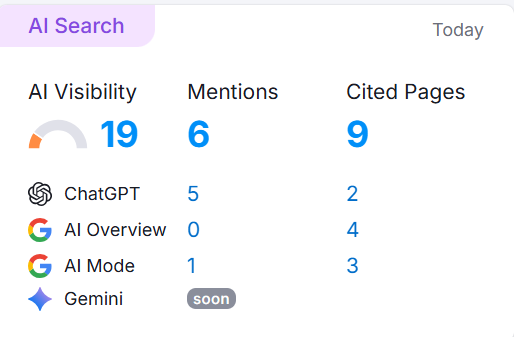
Being mentioned by an LLM can feel intangible, but it’s still valuable. These citations often increase brand visibility and trust, even when users don’t click a link.
Measuring and communicating that value simply requires a broader view of what success looks like in 2026, and into the future of digital marketing.
Consider these markers of value for your SEO campaigns:
By reframing SEO reporting around brand presence rather than position, agencies can show that AI citations hold measurable, real-world impact even in a zero-click environment. Linking LLM citations to performance increases in the campaign semantically, or even side by side with key events linked with your campaign, to show a performance increase.
One thing is clear: because of the generative nature of LLM conversations and the lack of stored, available data for the third-party software listed above, tracking LLM citations is not easy.
Let’s take a deeper look at how you can track LLM citations for your digital marketing campaigns.

Traditional SEO dashboards weren’t built for tracking LLM citations, so tracking AI visibility requires a mix of new tools, testing, and interpretation. Reporting now needs to combine qualitative insights (where your brand appears) with quantitative metrics (how awareness or traffic changes afterwards).
Here’s how we approach it:
At the time of writing (November 2025), this solution doesn’t seem sustainable for many SEO agencies already paying up to 10% of retainers on tracking software and SAAS fees.
In short, measuring LLM visibility is less about “rankings” and more about representation. By tracking how, where, and when your content is referenced, you can prove SEO success in an era where visibility is increasingly generated, and not just indexed. This future vision works; however, it is a notable shift in reporting strategy, leaving less-agile campaigns and SEOs feeling lost.
So where do we go from here?
While LLMs have made visibility more complex, they have also created new opportunities for marketers willing to adapt. SEO is evolving beyond keywords and backlinks into a practice built on clarity, entities, and trust signals.
For digital marketers, this means focusing on three key opportunities:
Ultimately, the shift to generative search rewards clarity, credibility, and connection. These are three qualities which should already be at the core of your SEO strategy.
Writing content for 2026 and beyond means thinking about two audiences: humans and machines (LLMs). The reader still matters most, but LLMs need structure, transparency, and context to understand and reuse your content correctly.
Here’s how to adapt your content strategy for LLM optimisation:
In short, the best-performing content in an AI-first search environment is transparent, contextual, enriched and continuously maintained. Read: “Creating LLM-Friendly Content Formats” for a more in-depth discussion.
Your brand’s online footprint is now one of the most influential ranking factors in the era of AI-driven search. Large Language Models interpret trust through patterns, or the frequency, accuracy, and consistency of your brand’s information across the web. We call this a Knowledge-graph, an intangible but very real collection of data about your brand, services, information, expertise or product(s).
A few key considerations on how to build your knowledge-graph for LLM citations:
Connect your Author schema to your Organisation schema using @id references or shared identifiers. This establishes a clear data relationship that shows who made the claim, which entity they represent, and what product or service it relates to.
In practice, this creates a structured flow of information:
Claim to Author to Organisation to Product/Service.
That path gives AI models a trustworthy attribution chain, which improves your chances of being referenced in AI Overviews, generative snippets, and LLM citations.
In the LLM ecosystem, your structured data acts as your digital signature. The clearer your structured data is, the more likely your brand will appear in AI-driven answers.
At Wildcat Digital, we’ve developed a practical framework for earning visibility in generative search. These are the strategies and recommendations that we make to our clients (and later implement) that form the foundation of our Generative Engine Optimisation (GEO) approach:
By integrating these steps into your campaign, you’ll future-proof your SEO strategy against shifting search technologies and maintain visibility across both traditional SEO and AI-led GEO discovery and citation.
The rise of LLMs represents the biggest shift in search since the introduction of Google itself. In the next two to three years, SEO will move toward a hybrid model that blends technical optimisation with semantic authority.
A few predictions for SEO and Digital Marketing in the near future:
The challenge ahead is about integrating our campaigns with AI. At Wildcat Digital, we’re already working with businesses to align their content and data with the next generation of search, helping them thrive in a world where visibility is earned through relevance, authority, and trust.
If you would like to see your brand, product(s) or services appearing in AI or LLM results, then contact Wildcat Digital today. We work with many businesses across all industries across the world, helping them to punch above their weight online.
If you would like to know more about our SEO, GEO, PPC, Paid Social, or Digital PR services, then get in touch with our team today for a free proposal.

SEO Executive
Founder
Our founder, Will Hitchmough, worked at a number of high profile Sheffield Digital Agencies before founding Wildcat Digital in 2018. He brings an extensive knowledge of all things related to SEO, PPC and Paid Social, as well as an expert knowledge of digital strategy.
Digital Marketing can be a minefield for many businesses, with many agencies ready to take your money without knowing how to deliver results. I founded Wildcat Digital to deliver digital success to businesses with smaller budgets in a transparent way.
Head of Growth
Rich joined us in May 2024 to head up our growth team. With years of experience helping other agencies to grow, Rich joins us at an exciting time as Wildcat is working on a five-year plan to become one of the biggest agencies in the UK.
Outside of work, Rich is a father to three children, which keeps him very busy! He’s also recently started running again to keep fit and loves a bit of DIY.
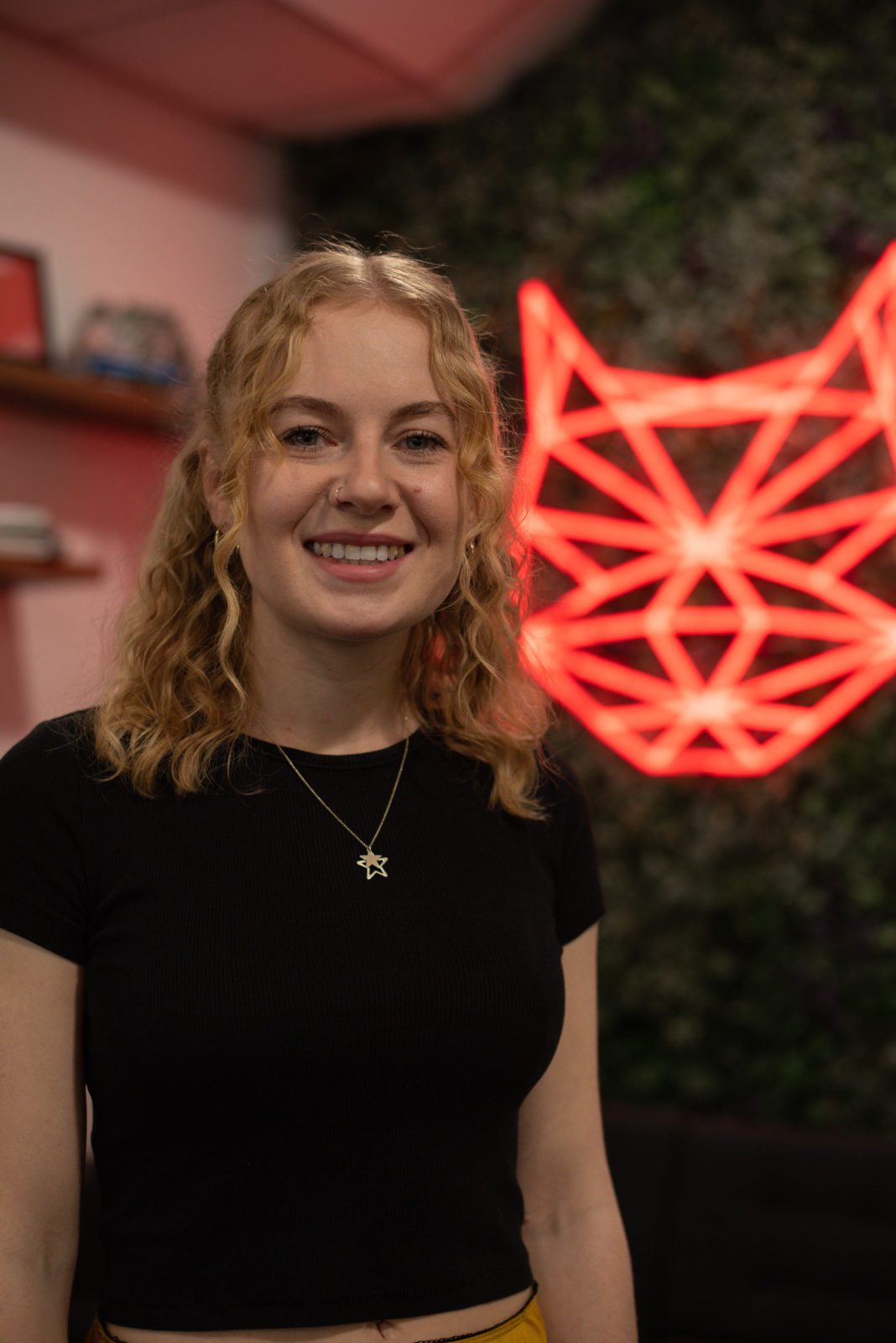
Head of Digital
Sarah joined Wildcat in January 2025, bringing over seven years of SEO expertise to the team. With a background in Fashion Communication and Promotion, she has worked both in-house and at agencies, covering a range of digital marketing specialisms before focusing on SEO.
Passionate about all things search, Sarah thrives on helping brands grow their online presence.
Outside of work, she enjoys walking her dog, running, and shopping for vintage clothing.
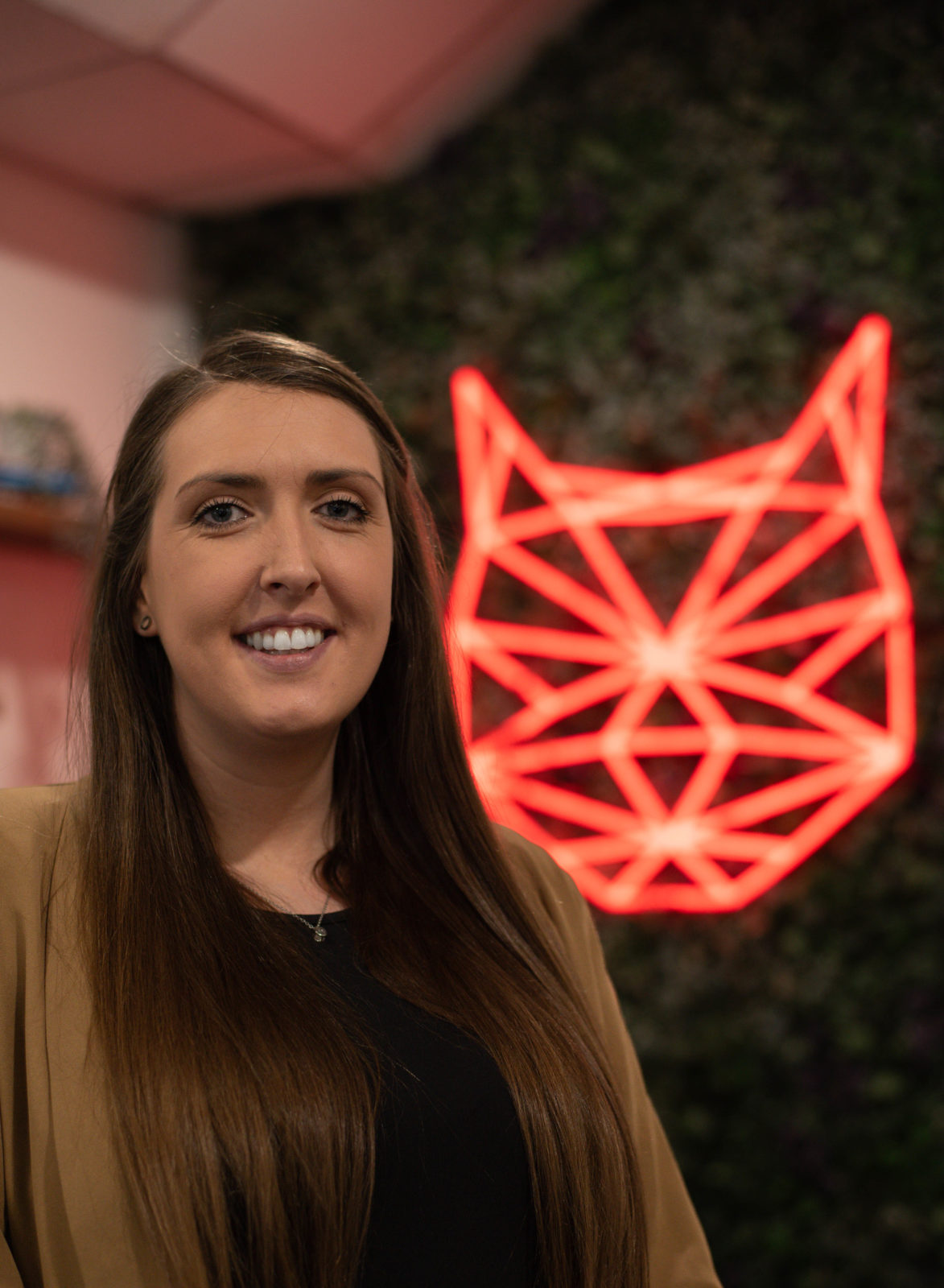
Office Manager
Amelia joined Wildcat Digital in January 2025, bringing extensive experience in HR, Health & Safety, Facilities Management and IT Support. Previously an Operations Manager at The University of Sheffield, she has a strong background in creating efficient and well-organized work environments.
Specialising in HR, Health & Safety, and Facilities Management, Amelia ensures the Wildcat Digital team has the resources and support needed to thrive. Whether managing office operations, maintaining compliance, or fostering a positive workplace culture, she keeps everything running smoothly.
Outside of work, Amelia loves trying new things, traveling, camping, and walking. She also enjoys socialising and exploring new places with friends and family. Her adventurous spirit and proactive approach make her a valued member of the team.
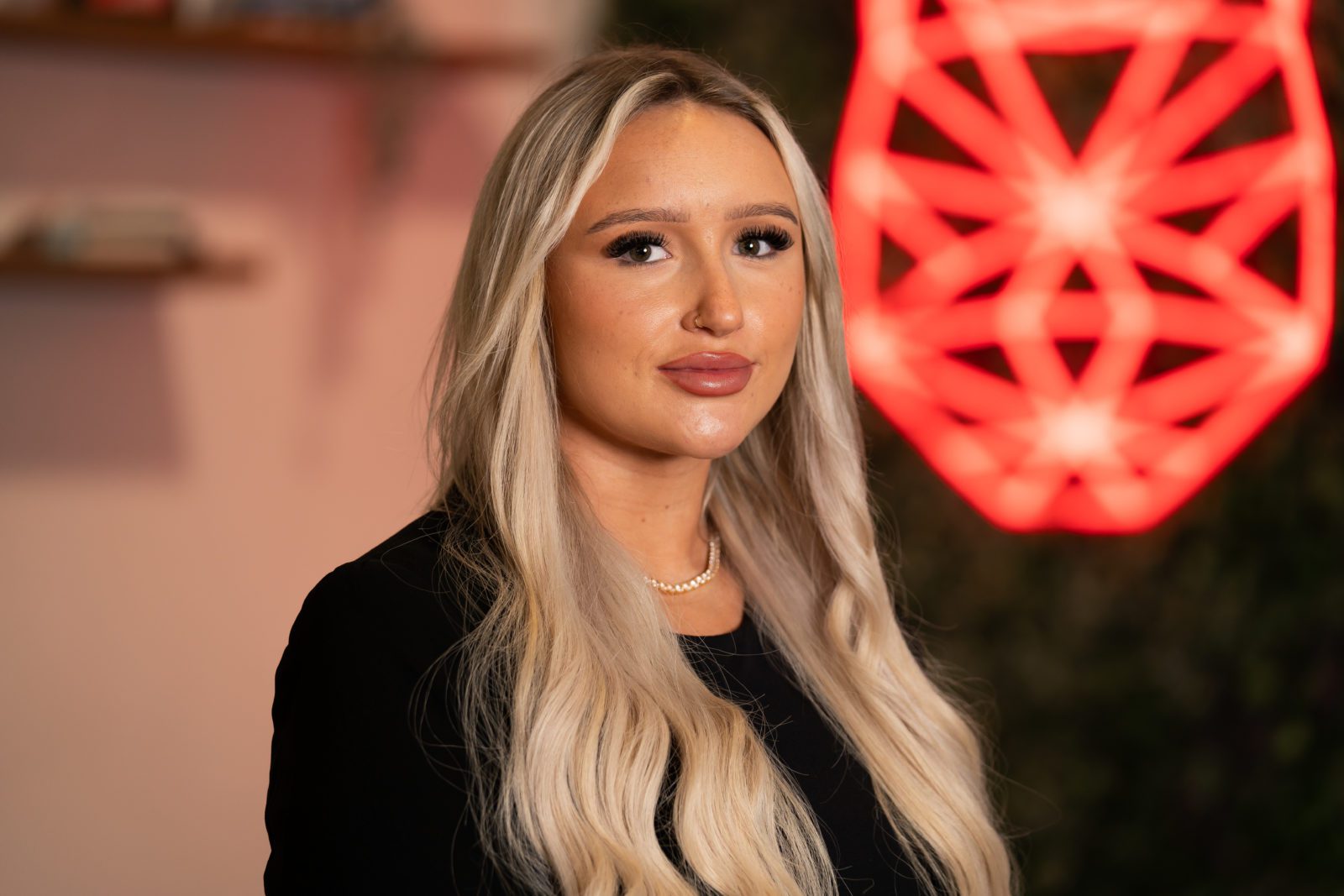
Client Success Coordinator
Siena joined us in 2023 with a background in sales and digital marketing. She leads on client relationships across the company, ensuring that our customers are happy throughout their journey with us, from their initial consultation through to onboarding and beyond.
Outside of work, Siena enjoys travelling and getting stuck into the local culture. She likes to make the most of her experiences and particularly enjoys watching sunrises and sunsets from beautiful locations around the world.
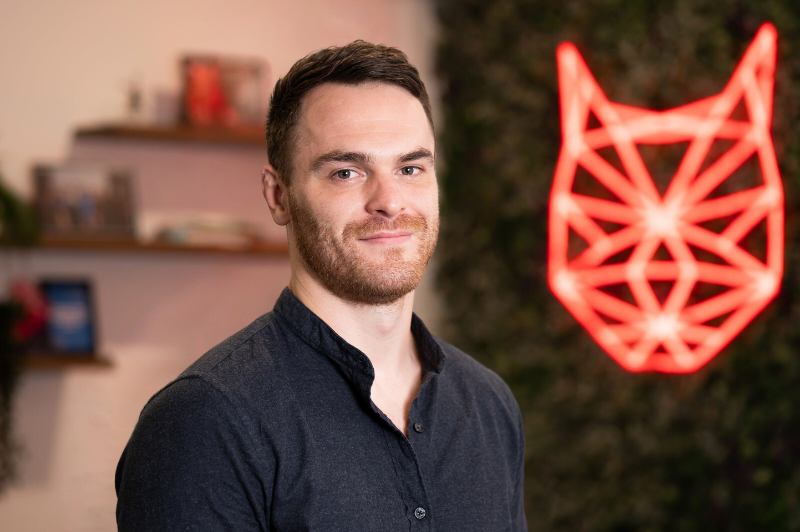
SEO Account Director
Paul has a strong background in SEO, having previously founded and ran a successful eCommerce business, as well as running a personal blog that achieves an average of 17K users per month. Paul’s knowledge of SEO is extensive, with a strong emphasis on client handling and technical SEO.
Outside of work, Paul enjoys spending time with his family and staying active with weight lifting and combat sports.
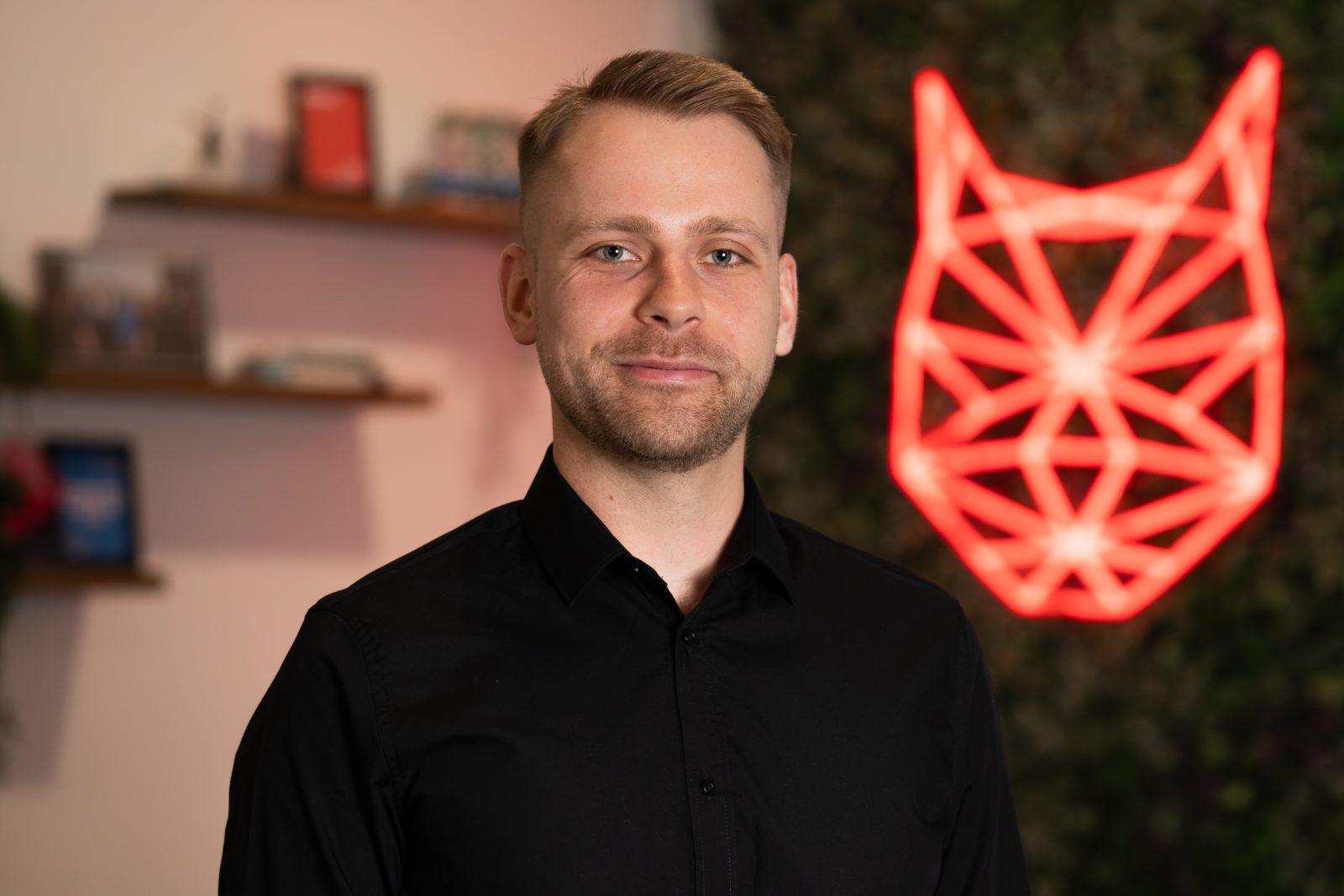
Team Lead & Technical SEO Account Manager
With a degree in Computer Science and SEO experience dating back to 2017, Dariusz has a wide range of SEO skills and knowledge. His specialist knowledge of Technical SEO has firmly landed him the title of Wildcat’s Technical Wizard, and he has recently taken on the responsibility of Team Leader for the Panthers Team.
In his spare time, Dariusz loves hiking, experimenting and trying new coffees and loves learning new things. He is currently learning more about CRO and AI and how this could benefit our clients.
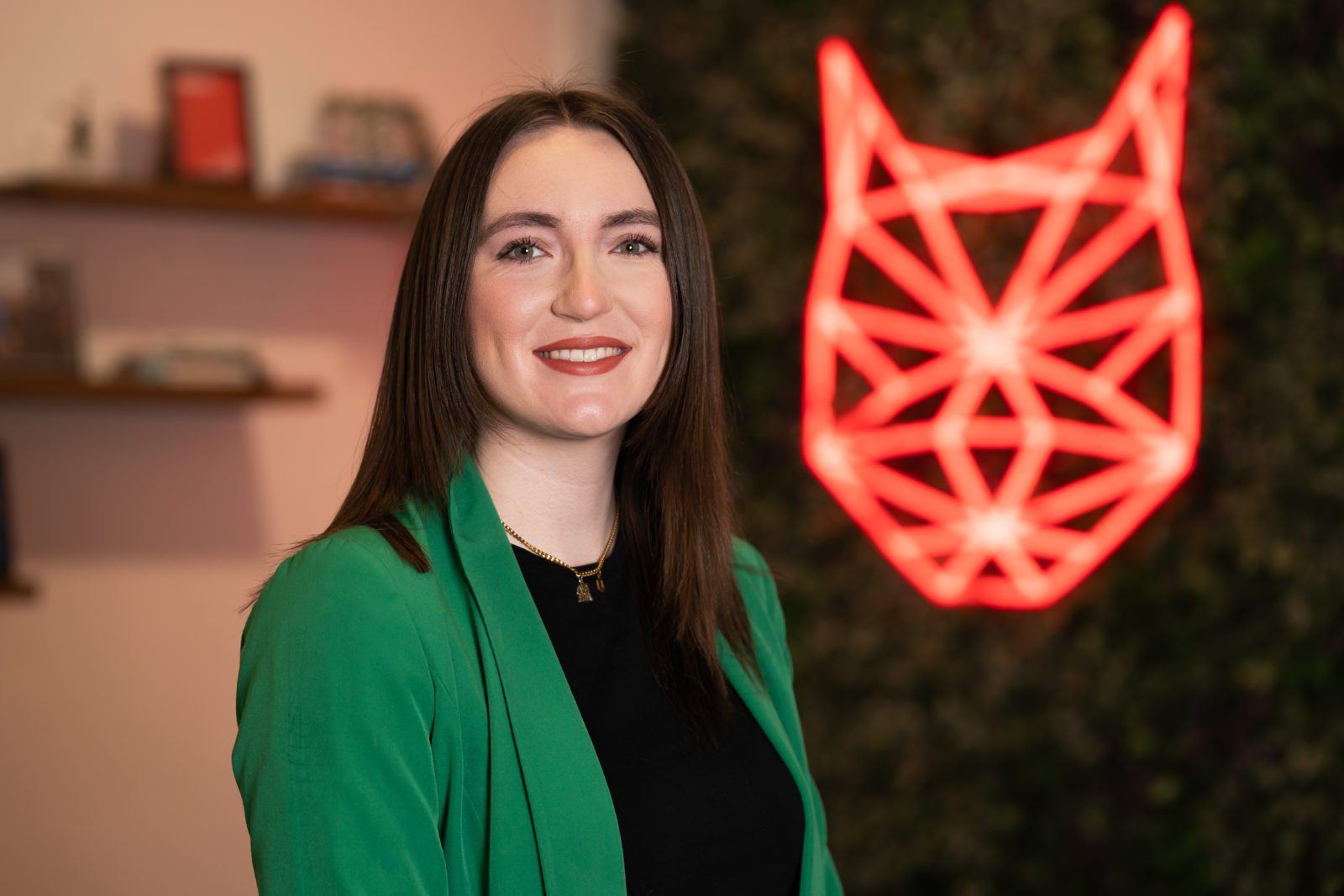
Team Lead & Senior SEO Account Manager
With a background in sales, Molly is a natural Account Manager, brilliantly handling any issues that come her way. Having joined us as a Digital Marketing Executive, and working part-time through her final year of University, Molly is a shining example of how hard work pays off. She is now an SEO Account Manager with a particular interest in Content and Client Management.
In her spare time, Molly loves to get out in nature, hiking and exploring the Peak District. She also loves cooking and likes to unwind with a bit of yoga.
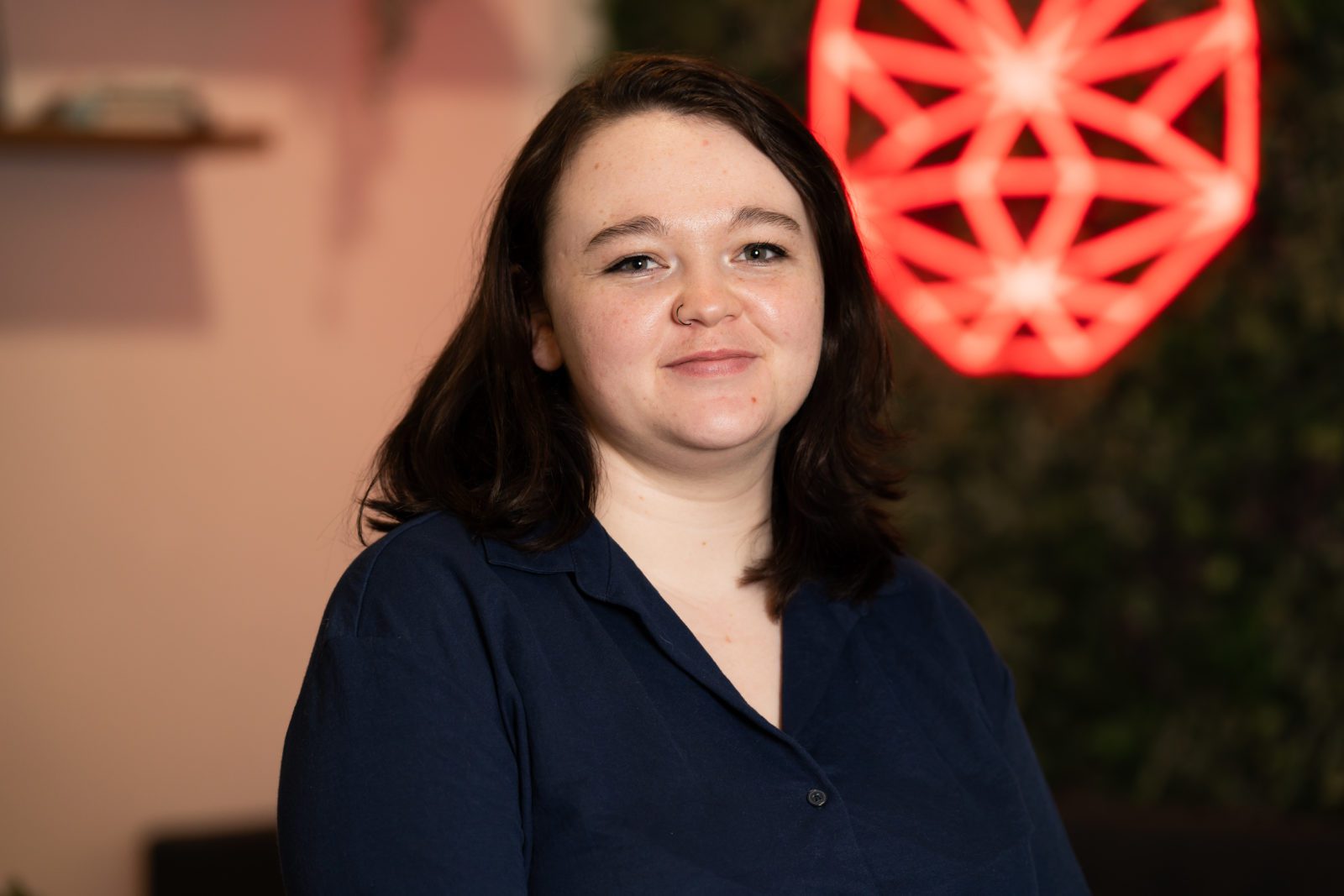
PPC Team Leader
Libby joined Wildcat in 2021 as our first PPC hire. With a degree in Digital Media Production, a Master’s in Digital Media Management and previous experience in Social Media Management, Libby hit the ground running and has since climbed the ranks to Senior PPC Account Manager and has a particular interest in the eCommerce sector.
Outside of work, Libby likes gaming, and cooking and likes to keep active by lifting weights.
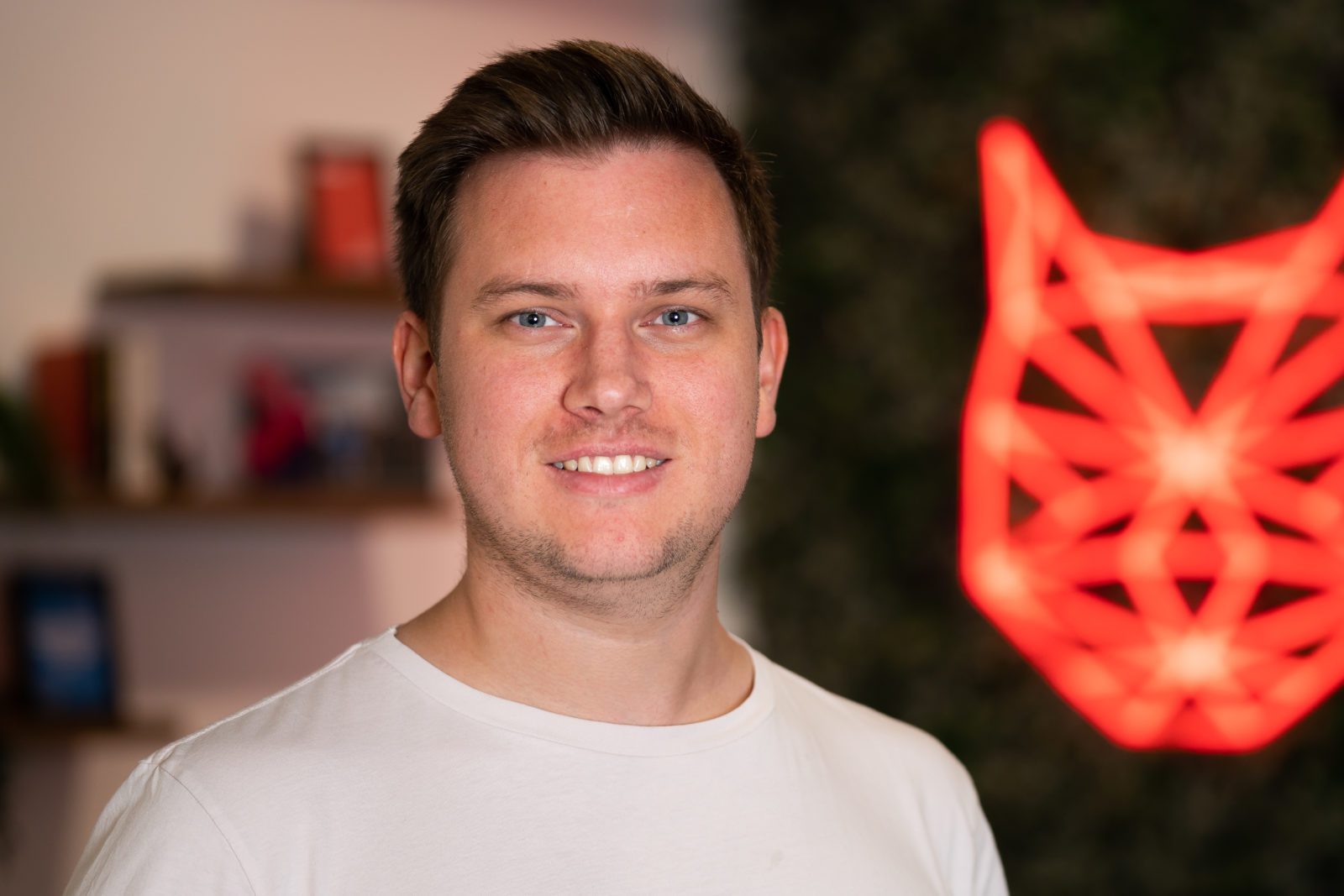
Senior SEO Account Manager
With a degree in Film and TV production, and a varied career history, Jamie made the move to marketing with a Masters degree in Digital Media Management. He has since worked in SEO at Agencies across Sheffield, before joining Wildcat and working his way up to SEO Account Manager. Jamie has a particular interest in backlinks and Digital PR and has recently gained a client a valuable backlink from Forbes!
In his spare time, Jamie is an avid foodie and loves trying new restaurants and cuisines. He also loves to travel and spent a year travelling to Australia after university.
SEO Account Manager
Jasmine joined Wildcat in 2022 with a strong background in SEO and Account Management. At the time, she was finishing up a Level 4 Apprenticeship in Digital Marketing from the Chartered Institute of Marketing, and has since worked her way up to SEO Account Manager. Jasmine excels at content writing and promotion, and particularly enjoys finding creative ways to join the dots on multi-channel campaigns.
In her spare time, Jasmine volunteers at a charity, helping combat loneliness & social isolation experienced by older neighbours. Outside of Wildcat, she owns a catering company, Savery Grazing, creating delicious grazing tables & platters for a range of events. She also loves skiing and exploring the Peak District.
Senior SEO Executive
After spending ten years managing businesses, restaurants, cafes and event spaces across Sheffield, Jon decided to change careers and joined Wildcat as an SEO Executive in 2022. He especially enjoys the client management side of the job, helping them to understand digital marketing and ways in which they can build their business’s presence online.
Outside of work, Jon likes to keep fit with running, badminton and football, and also loves music.
Senior SEO Executive
Andy joined Wildcat in 2023 after starting his digital marketing career in-house for a local Sheffield company. Since joining, he has developed a strong interest in Technical SEO and has strong skills in Account Management.
Outside of work, Andy loves music and plays in a couple of bands. He also enjoys rock climbing, cycling, photography and good food.
PPC Executive
Before joining Wildcat, Tom worked across different industries, building skills in sales and customer service. He later developed a passion for digital marketing whilst working on personal marketing projects and freelance ventures, and gained numerous certifications in PPC and Social Media.
Outside of work, Tom enjoys staying active by going to the gym and hiking. He also loves travelling and motorbiking.
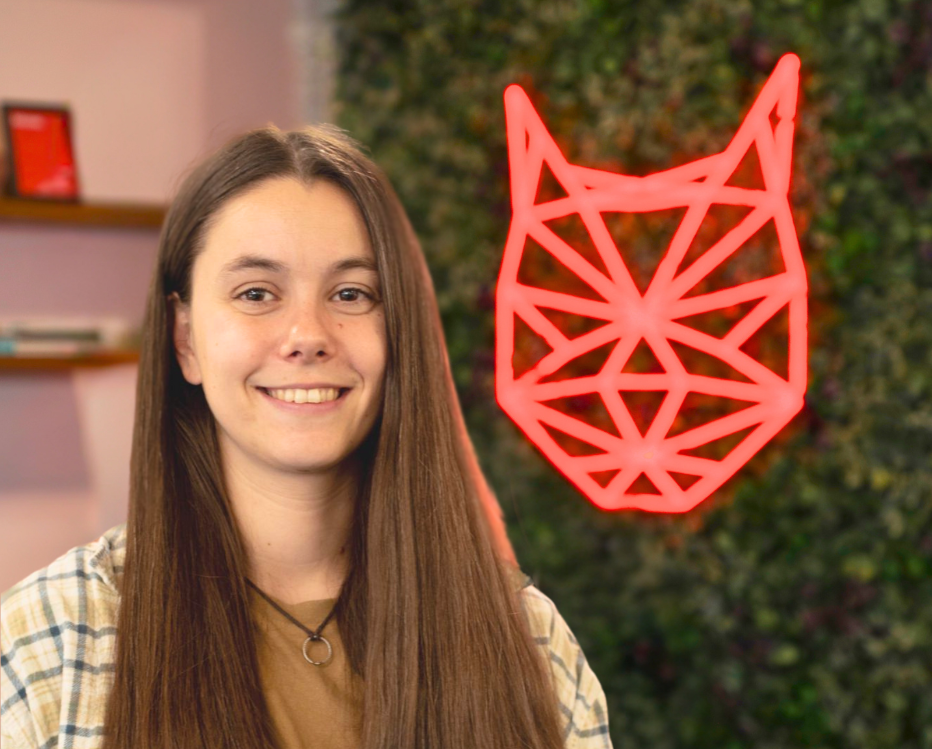
Senior SEO Executive
Kezia joined us in July 2024 after completing a CIM Certificate in Digital Marketing and gaining experience in Content SEO at another Sheffield agency.
In her spare time, Kezia loves to get outdoors, bouldering, hiking and travelling.
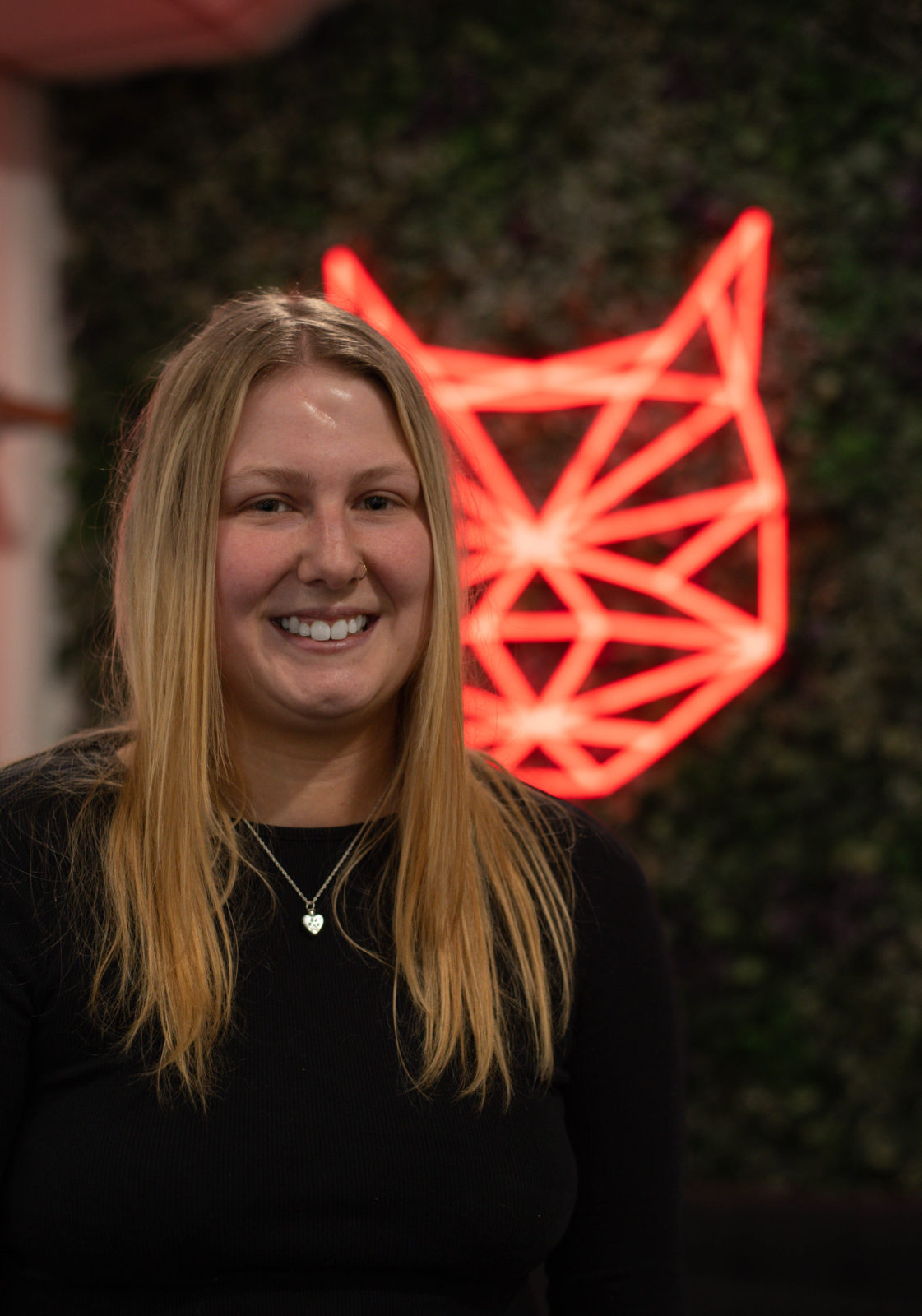
Senior PPC Executive
Alex joined Wildcat Digital in December 2024 as a Senior PPC Executive, bringing a strong background in Paid Media, Paid Social, and Programmatic advertising. With a degree in Business & Marketing and Google Ads certifications, she has the expertise to craft high-performing campaigns that drive results.
Before joining Wildcat Digital, Alex worked at two leading agencies in Leeds, honing her skills across various digital advertising platforms. Her analytical mindset and strategic approach help businesses maximize their online presence and advertising budgets.
Outside of work, Alex enjoys spending time with her dog, Lola, and going on walks with her dog walking group. She’s also a keen footballer and loves playing five-a-side whenever she gets the chance. Her enthusiasm and team spirit make him a great addition to the Wildcat Digital team.
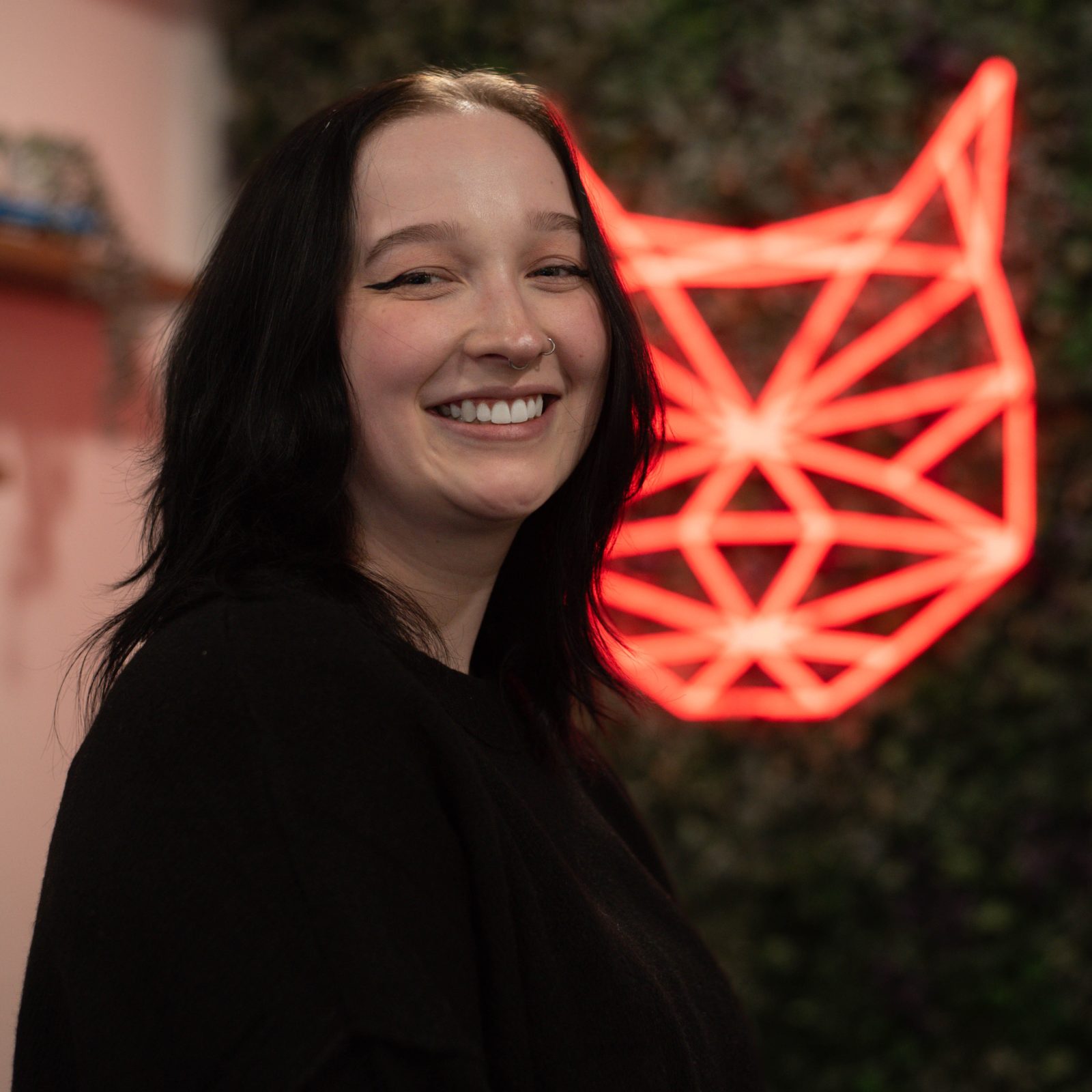
SEO Executive
Amy joined Wildcat in 2024 with a background in journalism, having worked as a News Editor and Editor-in-Chief at The Sheffield Tab. She is naturally interested in Content SEO and research, so will no doubt prove to be a content power-house.
In her spare time, Amy loves watching crime shows, listening to music and hanging out with her dog, Eddie!
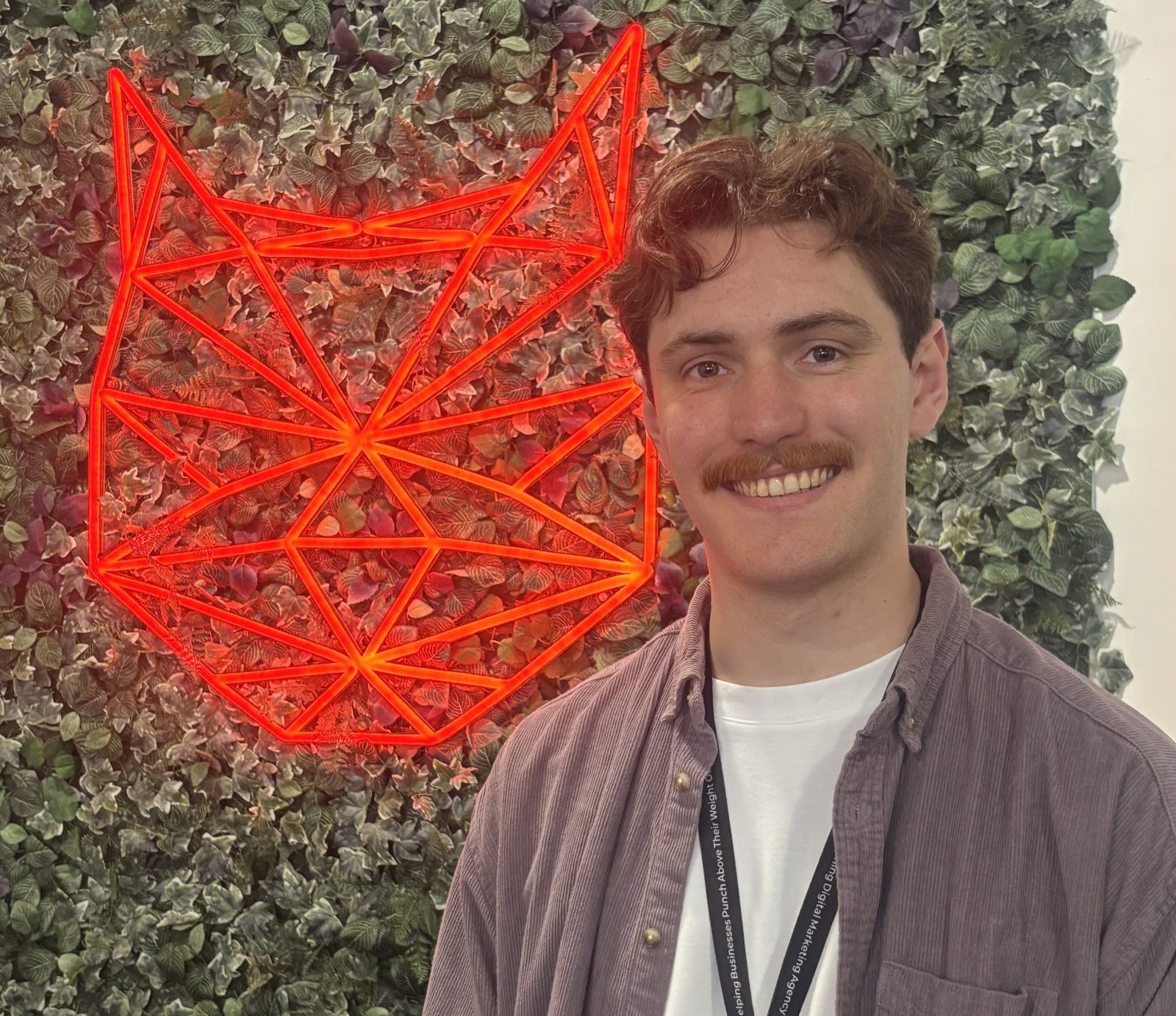
SEO Executive
Reiss joined the Wildcat Digital team in July 2025, with a background in journalism and digital content, Reiss brings both creativity and technical know-how to the team.
After graduating with a Journalism Studies BA from the University of Sheffield, where he also served as Games Editor and Deputy Editor for the student-run newspaper – Reiss jumped straight into the world of climate tech communications.
Outside of work, Reiss loves crochet, swimming, playing guitar, and diving into both video and board games. He’s always up for picking up new skills and trying new things – which makes him a perfect fit for our team!

Content & Proposal Writer
Liv joined the WildcatDigital Team in June 2025, with a strong background in financial admin and client care, Olivia is taking an exciting step into the creative world – and we’re so glad she’s doing it with us!
She’s currently studying content creation through her apprenticeship with Wildcat, and already bringing fresh energy and creativity to the team.
Outside of work, Olivia runs her own BIAB nail business, loves reformer Pilates, long walks, and is a member of a competitive dance team.
January 26, 2026
We made it to the end of January! One month into 2026, and it feels like a lot has changed.…

Paul Pennington
January 23, 2026
Many businesses assume that Author and Meet the Team pages are simply a nice way to showcase the people behind…
Jon Herdman

December 17, 2025
Could your website be too ‘thin’ to rank well? Are you even aware of the ways it could be lacking…
Jon Herdman